
Narc. Magazine Online
Reliably informed

Claire Dupree meets the three musicians who have been inspired by digital innovation as part of The Glasshouse’s annual Artists In Residence programme
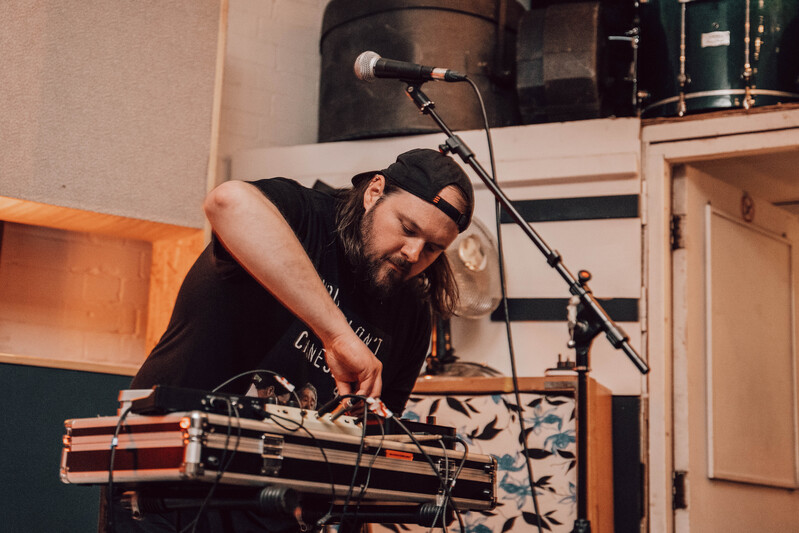
Image: ako by Emma Ford
The Glasshouse’s Artists In Residence programme seeks to encourage and support musicians to spend time on their craft, often with surprising and thrilling results. Their 2024-2025 cohort look to digital technology to develop their ambitions, although the artists taking part are no strangers to innovation.
Electro-folk artist Frankie Archer’s music manipulates samples, synths and Northumbrian fiddle and voice to create a beguiling amalgamation of ancient melodies and modern technology. As part of the residency – which has been supported by Newcastle University’s music department, international arts commissioner Mediale and Advance Media Production (AMP) – artists were givenaccess to a host of creative digital technology and support, which for Frankie was a vital way to learn new skills. Her project looks at how people can create music using their bodies to change sounds: “I wanted to do something different from the usual performer/audience split, where the audience is there in quite a passive way. There’s such a barrier when it’s like that and the energy and creativity can be quite one-way, so bringing everyone in the room into the music making, and in such a physical way, will let people experience a gig in a totally new way.”
The technological support elements of the residency have helped Frankie to further enhance her live show. “I’m always thinking around the edges of how tech is designed to work, and seeing if I can bend the rules and use it in a weird way. That normally leads to some odd but really cool and memorable bits in my live gigs, and sounds that just wouldn’t exist otherwise. So the residency has let me go wild with this!”
Frankie’s show on Thursday 12th June will be a fully interactive experience for the audience. “I’ve deconstructed some of my songs so that certain parts will be controlled by people in the room, they’ll change sounds through movement and touch.”
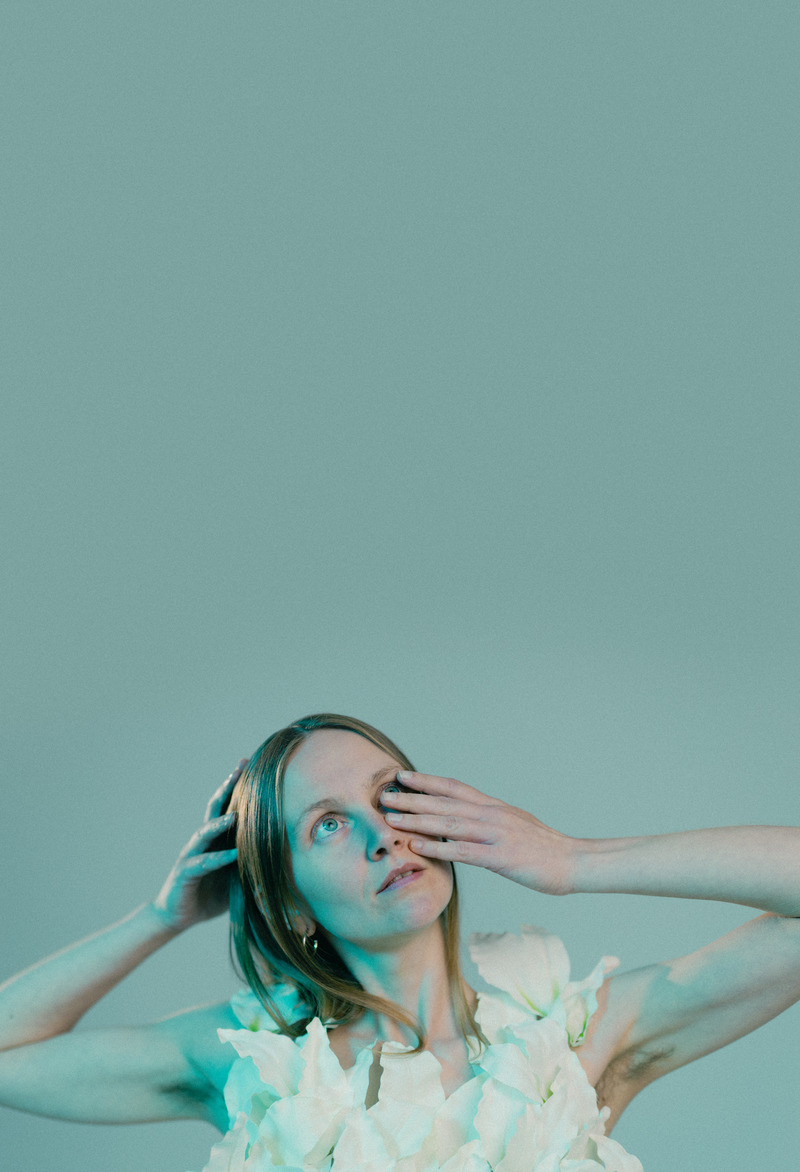
Image: Frankie Archer by Rob Irish
Multidisciplinary artist Natalie Sharp’s practice also includes immersive and sensory elements, and the residency has enabled the development of her ongoing project Spume, which explores the intersection between the human body, sound and the ocean environment. “Spumeseeks to create a multisensory experience that allows the audience to physically feel the presence of the sea through tactile sound technologies, ambisonics and immersive projections.” Natalie explains, commenting that collaboration with partners at Newcastle University has been a key element of theproject. “This included experimenting with immersive sound technologies, such as spatialised audio and transducers, which enhance the audience’s connection with the oceanic themes in my work. Their input has pushed me to consider how digital tools can not only enhance the storytelling aspect but also open new avenues for audience engagement.”
Natalie has explored concepts around horizontalism and deep listening to enable audiences to challenge conventional interactions with sound and music in a wonderfully interactive performance.The audience are invited to to experience the work in a horizontal, embodied state: “The horizontal, body-based engagement in Spume encourages audiences to attune to their bodies and the surrounding sonic environment in a more reflective, meditative way. This horizontal mode allows for a more intimate connection with the music, enabling audiences to not only hear but physically feel the oceanic soundscapes, allowing the sound to resonate directly within their bodies.”
Natalie’s performance explores themes of ecological interconnectedness and the fragility of the body in the ocean. “The performance will combine real-time sound manipulation, rest and projections, creating a dynamic and evolving environment that responds to both the performer’s movements and the audience’s presence.”
Natalie’s experiences as part of the residency has deeply influenced her creative process, and she plans to tour the performance internationally in the future. “The project now feels more aligned withmy commitment to creating healing spaces where the body can relax and listen deeply. I want to further explore the potential of sound as a tool for healing, particularly for audiences who may not always feel represented in traditional performance settings.”

Image: Natalie Sharp
The evolution of technology and both its help and hindrance to modern society is a theme that preoccupies the work of electronic musician, producer and performer Simeon Soden. Under his ako guise, Simeon employs creative coding, modified games consoles and analogue video equipment to create experimental sounds, and the collaboration with residency partners enabled him to expand the sense of scale and ambition in his work. “Over the course of the residency I wrote and produced my next album and AV work. The album, titled All Watched Over by Algorithms of Loving Grace, is a concept album exploring our growing relationship with AI and its potential to enhance or disrupt human experience.”
The album will be available at ako’s performance on Wednesday 25th June (it gets an official release in physical format on 27th June, and will be available digitally via US label Business Casual the week prior). “Thematically, the album reflects on both utopian and dystopian visions of AI, its role in warfare, effects on economies, notions of progress, and the existential questions raised by new and disruptive technologies.”
Having worked on the album since September, Simeon acknowledges the gift of time as well as the financial support that the residency has provided, enabling him to produce an ambitious body of work that will enhance his future practice. “The performance is going to be my most ambitious yet – expect VHS visuals, projections and a CRT TV wall creating an immersive audiovisual experience. I will be performing the new album in full plus a few of my old tracks too.”
