
Narc. Magazine Online
Reliably informed

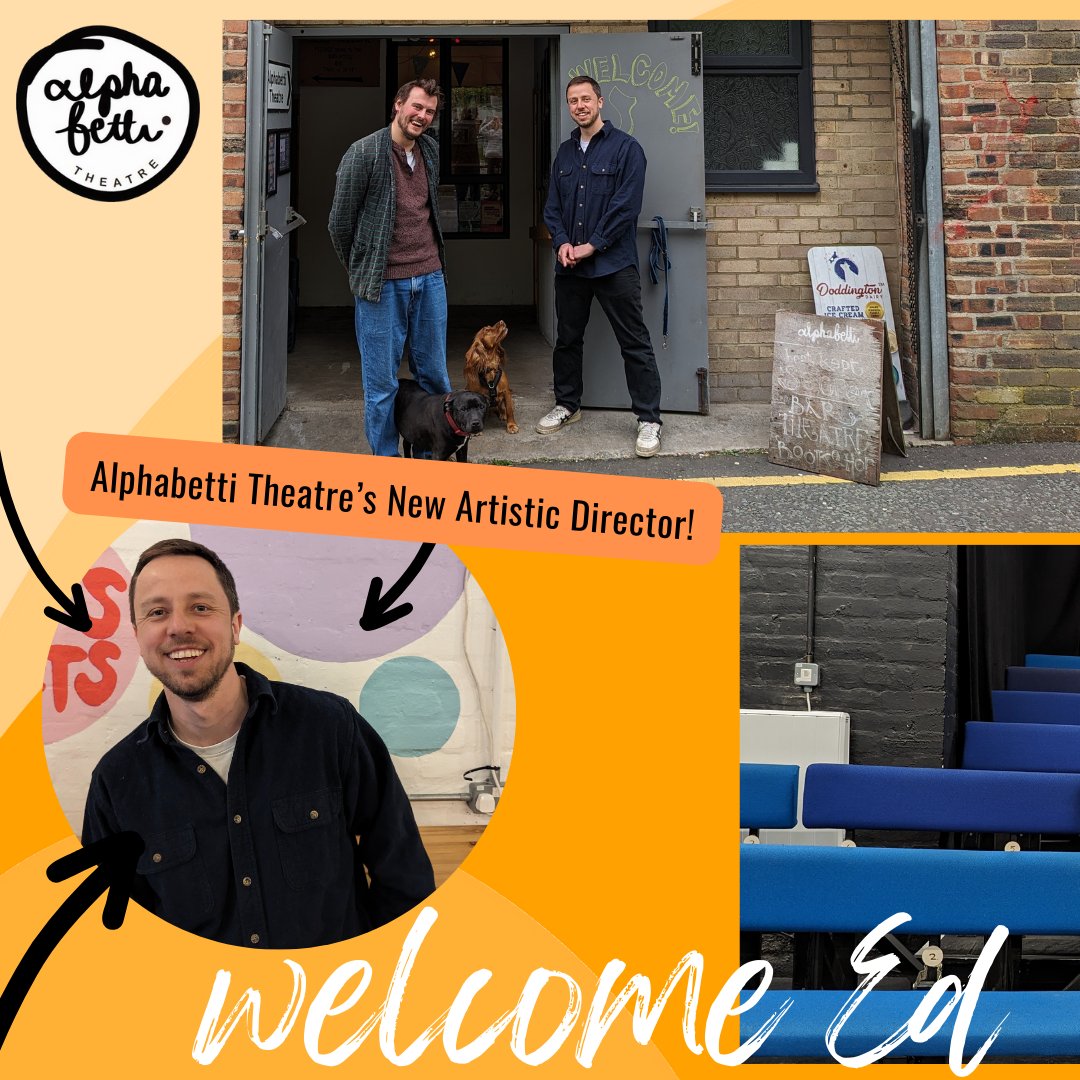
We catch up with Alphabetti’s new Artistic/Executive Director ahead of his first season of programming at the Newcastle theatre
Last year, Alphabetti Theatre, Newcastle announced the appointment of Ed Cole as its new Artistic/Executive Director, succeeding the theatre’s founder, Ali Pritchard. Ed, who grew up in County Durham, co-founded Middle Child Theatre, now one of the UK’s foremost new writing theatre companies and has since worked with numerous theatrical institutions across the country as a director, producer, actor and theatre maker.
The Spring season at Alphabetti is the first programmed by Ed and showcases the incredible talent of the North East and beyond. It includes Tiny Fragments Of Beautiful Light (Feb 21st – Feb 22nd) which returns to Alphabetti and celebrates the joy that comes when we live as we truly are; Fluff (March 14th – March 15th), which looks at the devastating effects of dementia; Grounded (May 22nd – May 24th), a play filled with music and movement that affirms life by confronting loss; and Sh*t Life Crisis (5th June – 7th June) a darkly hilarious karaoke theatre show.
We caught up with Ed to find out more about himself and his plans for Alphabetti…
Which artists or theatrical works have influenced you the most, and how do they inspire your work today?
I’m inspired by plays that connect with an audience through ingenuity and honest storytelling. I think now more than ever, creative teams ought to be brave and make bold choices, to ensure theatre continues being a place where we can examine the world around us and find new ways of connecting with each other. When plays accomplish that, they can stay with you for a long time. There are a lot of great writers and directors whose work has achieved that, and acted as inspiration for me, including Gary Owen, Steph O’Driscoll, Arinzé Kene, Anna Jordan, Kieran Hurley – it’s a long list.
What inspired you to pursue a career in theatre, and what have been some defining moments in your journey so far?
Growing up I was lucky enough to be a member of a youth theatre, but even more fortunately I was surrounded by some incredibly kind, funny, and immensely talented friends. We all pushed each other forwards. A defining moment in my journey was falling in with a similarly creative crowd at university, who likewise had a passion to just constantly make shows. Together, we co-founded Middle Child Theatre, which was probably the most defining moment in my journey so far.
Why did you decide to take on the role of Artistic/Executive Director at Alphabetti Theatre, and what does this opportunity mean to you personally and professionally?
I decided to apply for the role because I am passionate about fringe theatre, and I want to spend all of my time and energy helping to facilitate a flourishing creative landscape across Newcastle and the North East. I think Alphabetti has a huge part to play in that – in the work we programme, in the way we help artists develop, and in the way we build connections with people and communities. This opportunity means the world to me, and I hope I can do some justice to all those brilliant creative people who rely on venues like ours to try out ideas and connect with each other.
Having co-founded Middle Child Theatre and worked with various theatrical institutions, how do you plan to bring your diverse experiences to Alphabetti Theatre’s unique environment?
Middle Child gave me a fantastic opportunity to gain professional experience on a variety of roles- from tour booking to stage management to directing plays. Since then, like many freelancers I’ve had to turn my hand to numerous jobs, while also amassing a pretty substantial CV in hospitality and events work. I feel relatively well equipped to deal with whatever gets thrown at me at Alphabetti – but I’m also very keen to learn while I’m in the role and am always looking for ways to improve my practice.
You’re taking over the role from Ali Pritchard. How do you plan to build on the strong foundations that he has laid?
Ali’s journey shows an unbelievable amount of bravery and ingenuity and the fact that he accomplished so much acts as a constant inspiration to me when I think about the next chapter for Alphabetti. His legacy lies in the career of every single person who has, at some point, been involved in a show at Alphabetti, and that probably includes most people working in theatre across the region. Ensuring Alphabetti continues to operate by putting artists and their needs at the forefront of our decision making is the best way I can continue that legacy.
How do you envision the role of theatre in today’s rapidly changing cultural landscape, especially with the rise of digital media?
The change in the cultural landscape is heavily affected by the rise of digital media, but I also think a major factor is government-prescribed austerity and the cost of living, which prevents people from regularly being able to engage in cultural activities and makes it even more difficult just to leave the house. As it is, theatre is incredibly important because it offers us the chance to examine the world around us in a live room with other people, many of them strangers, and share the experience that the play takes us on. We see it happen at football matches and gigs – people connecting through a shared experience – and the best theatre creates that same connection through storytelling.
Can you share your thoughts on the importance of storytelling through theatre and its impact on society?
That’s a big question! I think it’s essential for any society to have a forum where people can gather and tell stories about themselves and each other – that’s essentially what theatre is. If everyone spends all their free time sitting in their own spaces, watching TV shows that often idolise wealth or individuality, it’s not difficult to see what kind of repercussions that has socially – we become more isolated. Theatre is the antithesis to that, and it’s the responsibility of people working in theatre to make that shared experience as accessible and enjoyable as possible.
Alphabetti Theatre has a strong reputation for supporting emerging artists and programming bold new work. How do you envision building upon this legacy and possibly expanding it?
It’s never been more important for venues like ours to provide opportunities for artists to try things out and to facilitate pathways for people and ideas to grow. The best way to build on this is to listen to artists and put their priorities at the forefront of our decision making. We’re currently looking for funding that will not just allow us to continue this but also enable us to expand the reach of those conversations, with specific focus on the communities that are often locked out of such discussions due to financial or social obstacles.
What are some specific goals or initiatives you hope to implement in your first year at Alphabetti Theatre to engage both artists and audiences?
My focus in my first year is to ensure that everyone who has a stake in Alphabetti has a chance to have their voice heard on the future of the organisation. We’re currently going through a period of organisation development within Alphabetti (generously funded by the Esmée Fairbairn Foundation and Arts Council England) ensuring all our staff and stakeholders can contribute to a company vision that will inform the way we work with artists and audiences moving forward. It’s a huge moment when a founder leaves an organisation, and I want to ensure that we put the strongest foundations in place as we move into the next chapter in Alphabetti’s history.
How has your upbringing in County Durham and your intimate knowledge of the North East performing arts sector influenced your vision for Alphabetti Theatre’s future?
I’ve always felt the unique heritage of this region lends itself to theatre and storytelling. I’m passionate about the North East and the people here, and am fascinated by how culture and creativity have been expressed by Geordies and Northerners over the years (Alex Niven’s The North Will Rise Again is a brilliant book on the subject).
My vision for Alphabetti is that we become synonymous with the region’s creative voice, and set a national standard for fringe work, artist development and accessibility. There have been some noises from the Labour government and DCMS recently about making the North East ‘the beating heart of UK culture’ – if they’re serious about that then they aught to begin by looking at independent venues, those who use them, and the work being made there.
Accessibility and inclusivity are key aspects of Alphabetti Theatre’s mission. How will you continue to champion these values in your new role?
Accessibility and inclusivity will always be essential values for Alphabetti. Listening to audiences, artists and communities – and being ready to change our practice in accordance with what we’re told – is the foundation for ensuring we maintain this. Alphabetti already sets an extremely high bar for accessibility and inclusivity, with designated accessible performances, accessible ticket pricing, audio described performances, captioned performances, and partnerships with excellent groups such as Extant – who help deliver touch tours for our shows and deliver visually impairment training. We are always looking for funding and support to extend and expand this work.
Engaging with the community is a significant part of Alphabetti’s ethos. How do you plan to connect with local artists, audiences, and the broader community to ensure the theatre remains a beacon of creativity?
The first step is to ensure that everyone feels welcome at Alphabetti, no matter their background or circumstance. I’ve said that our front door should be the easiest door to walk through in Newcastle – whether coming for a show, a coffee or just to duck out of the rain, we want to ensure that people feel they belong here. From there we’d like to start conversations and facilitate people’s ideas for creativity and connection. There are numerous fantastic charities and organisation locally who we hope to partner with to help us with this, and who share our vision to create a city where people are united by possibility.
What excites you most about taking the helm at Alphabetti Theatre, and what can audiences and artists look forward to under your leadership starting in 2025?
I’m most excited about seeing the work that people want to create, and the stories they want to share. It’s never felt more important for people to connect and understand each other – especially in this region where we’re so used to being an afterthought in the national conversation. Starting in 2025, Alphabetti can be a place where artists and audiences can gather, connect, try out new ideas, begin a journey, and ultimately belong to something bigger than themselves.
