Narc. Magazine Online
Reliably informed

Joanna Long chats with The Witham’s Social Media Coordinator and Content Creator about their funding from the Theatres Trust
Barnard Castle’s historic arts centre, The Witham, has beaten off high demand competition and secured funding from the Theatres Trust to upgrade the lighting in its Victorian Music Hall, promising improvements that extend well beyond just energy efficiency. Originally awarded £7,000 through the Trust’s Small Grants Programme, supported by The Linbury Trust, the venue has since been advised that its award will increase to £7,500 to include freelance costs. For an organisation balancing the demands of a Grade II listed building with the needs of performers, audiences and rural communities, it’s welcome news. Joanna Long spoke to Louise Kelly, Social Media Coordinator and Content Creator at The Witham, about what the investment means for its future.
Firstly, congratulations on securing the funding! What was your reaction when you heard you’d been successful, and how significant is it for The Witham?
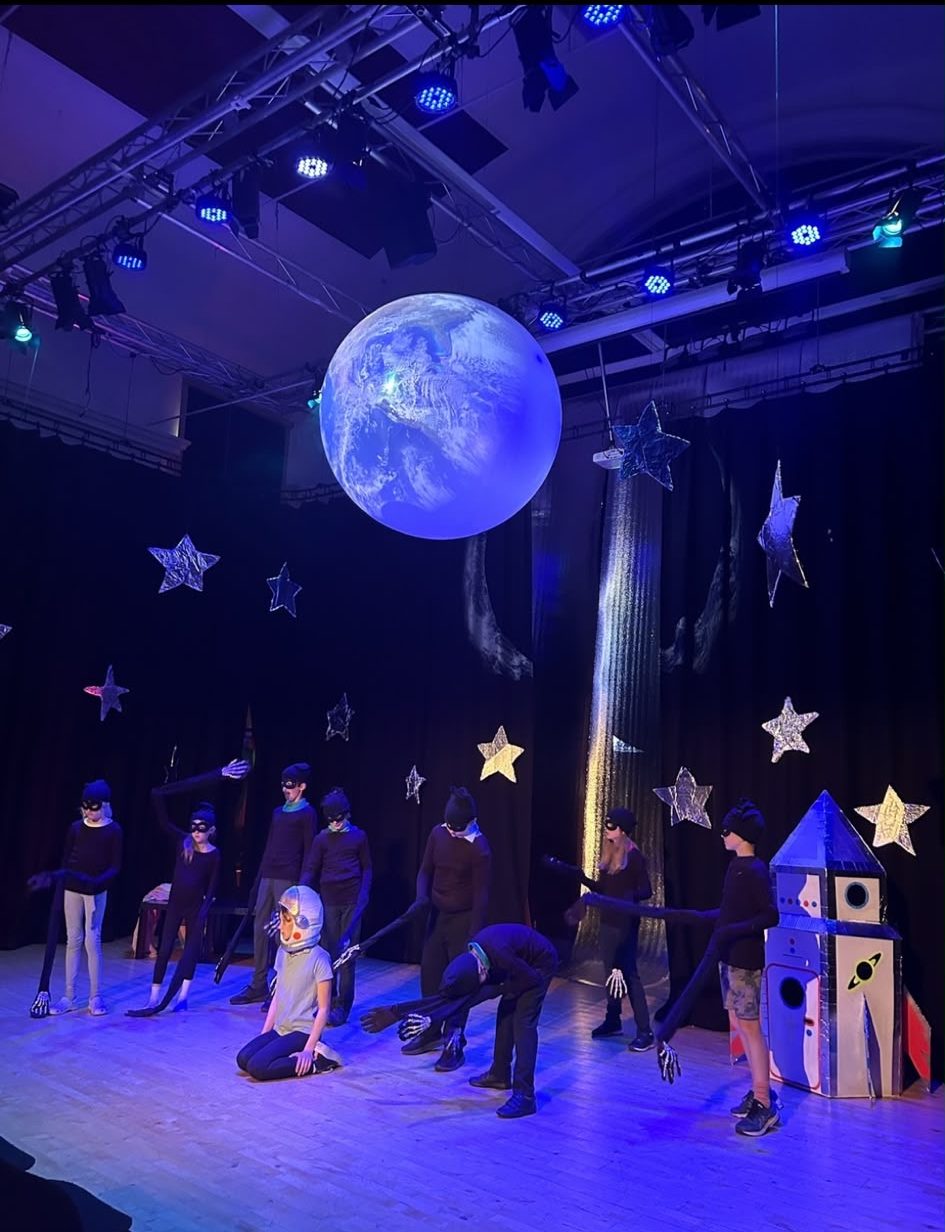
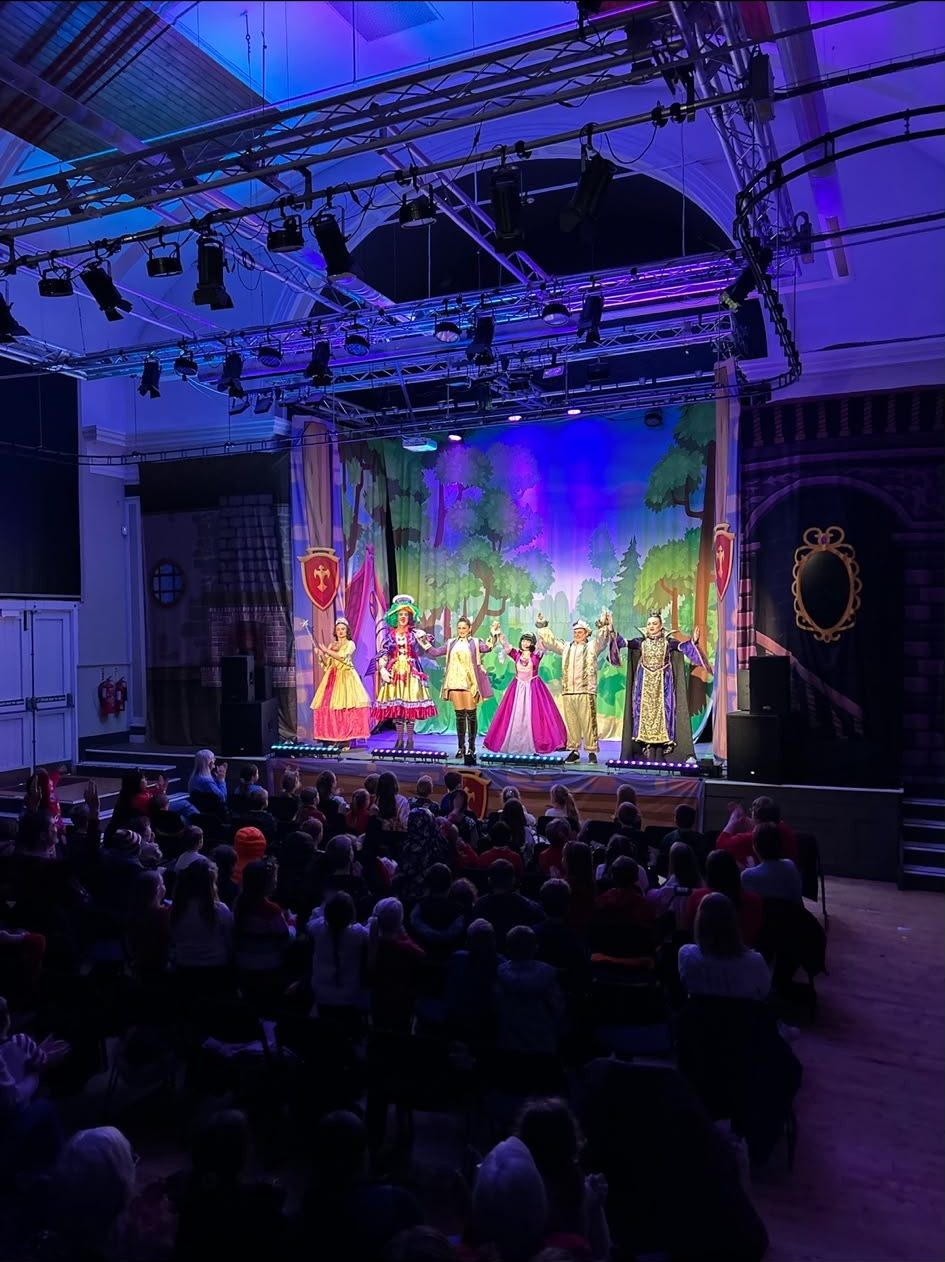
We were absolutely thrilled! It’s going to make a really big difference, not only financially and in terms of our day-to-day operating costs, but also in what we can offer audiences and the groups that use the venue. The funding is for lighting improvements in our Victorian Music Hall, which is our main performance space. At the moment, our lighting facilities aren’t always sufficient for what people need, particularly community groups and schools. Teesdale Operatic Society, for example, have previously had to hire additional lighting equipment and technicians. The new lighting will give us more professional facilities and hopefully improve the quality of the performances we can offer. It’s fantastic to have been selected, especially knowing how competitive the funding was.
£7,500 might not sound enormous when we’re talking about maintaining a historic arts venue. What difference will it make in practical terms?
There are several benefits. LED lighting is much more energy-efficient and lasts longer, so we’ll save money on electricity and replacement costs. But we’ll also be able to reduce our reliance on external technicians and make much better use of the Music Hall. At the moment, changing our lighting rig can involve putting up scaffolding, which takes time and requires additional people for health and safety. The new equipment will give us a separate rig alongside the existing one, with lighting that can be adjusted much more easily by remote control. Sometimes, at the moment, if we’ve got a big performance in the evening, we can’t use the Music Hall for another event during the day because of the work involved in setting everything up, and that can restrict what we’re able to programme. With the new system, the space will become much more flexible. It will also mean staff can spend less time dealing with the lighting rig and more time on other things that improve the experience for audiences and performers. It’s not about reducing anyone’s hours, it’s about using the time we have more effectively. We’ve also had occasions when we’ve wanted to put on a show but haven’t been able to commit because we didn’t have the technical facilities available in-house. Hopefully, this will open up more possibilities.
And energy costs must be a considerable challenge in a building of this age?
Absolutely. It’s an old building, so heating and energy costs are significant. Being able to reduce those costs is really important for our long-term financial sustainability. Every saving helps, particularly when you’re trying to maintain a building like this while continuing to provide a varied programme of events and activities.
The Witham is a Grade II listed building with an extraordinary history. How do you balance preserving that heritage with the need to modernise?
It’s something we’re very conscious of. We’re custodians of the building, so we have a responsibility to protect its heritage while also making sure it’s comfortable, accessible and suitable for modern use. We have Peter Hodges on our board, who oversees our estates, and that helps us manage those responsibilities. The Witham underwent a major refurbishment in 2013, which made an enormous difference, but we’re now 13 years on. Technology has moved forward, and even equipment installed during that refurbishment is ageing. We have to be mindful of what we can and can’t do because of the building’s listed status, but we also want to make it as accessible as possible for everyone who uses it. The building’s history has always been closely connected to the community it serves. Henry Witham proposed a permanent building in 1844, but died before it could be completed. His fellow trustees raised the money through public subscription, and following The Witham Testimonial Hall being built in 1845, the demand for lectures and public events eventually outgrew the original space, leading to the construction of the Music Hall, which opened in 1860.
So, The Witham isn’t simply somewhere people go to watch performances, it’s also somewhere they meet, learn and connect. How important is that wider community role to its future?
It’s incredibly important, and it’s something we’re trying to reflect in how we talk about The Witham. We’ve recently changed our slogan from ‘Something for Everyone’ to ‘A Place to Be’. ‘Something for Everyone’ was important at the time because there had been a perception that The Witham was perhaps a little highbrow or inaccessible. We wanted to challenge that by offering a really varied programme, but we also understand that trying to provide something for absolutely everyone can be an impossible task! ‘A Place to Be’ reflects something broader. We’re not just somewhere to come and see a show, we’re a place to be creative, to meet people, to learn something new, or simply to spend time. And what I particularly love is that the phrase came from a local resident speaking to one of our team; it wasn’t something we dreamed up in a marketing meeting. We have so many different activities taking place; there are around seven tai chi classes every week, for example, which is phenomenal, and we’re trying to listen to what people want and adapt where we can, but we’re a small team, and we can’t always do everything, but listening to the community is always going to be one of the most important things we do.
The new lighting will also benefit local schools and community groups who already use the Music Hall, won’t it?
Definitely. Montalbo School uses the Music Hall every year for its performances, and we have groups such as Teesdale Operatic Society who use the facilities too. Our own youth theatre group will also benefit. They have their own budget, so if they can save money on technical requirements, that’s money they can put towards something else. It’s really all about making the space more accessible and useful for the people who already rely on it, as well as potentially opening it up to others, and that’s particularly important for us because we’re serving a wide rural area and community.
Theatres Trust has highlighted the under-investment in theatre buildings across the country. Do you think people appreciate what it costs to keep somewhere like The Witham running?
I don’t think they necessarily do. Some people will, of course, but I didn’t fully understand it myself before I started working here, and I’ve always been interested in the arts, heritage and culture. There’s so much that happens behind the scenes. The administration involved in organising an event, ticketing software, negotiating contracts, the costs of individual performances, and then maintaining the building itself; and we rely enormously on volunteers. We literally couldn’t do it without them. Our box office in the gallery, for example, is staffed by volunteers; we don’t have the kind of dedicated box office team that larger venues might have. Our board chair, Liz Bromley, is very keen that we’re transparent about how The Witham operates, because understanding what goes into running the venue can encourage people to support us. And that support doesn’t always have to mean making a donation; it can be buying tickets early, coming along to an event or attending something that’s free. The more people who use The Witham, the more we can demonstrate the need for what we provide, which also helps when we’re applying for future funding.
And I suppose that means that any feedback, even when it’s critical, can be useful too?
Absolutely. If somebody tells us something isn’t working, we want to know. If someone says a chair is uncomfortable, for example, obviously we’d like to make them more comfortable, but that feedback can also help us demonstrate where improvements are needed when we’re applying for funding; it’s about listening and being open. I think opening Henry’s Bar has helped make The Witham feel more welcoming too. People can come in for a drink in the evening, whether or not they’re attending a performance, and we recently held a free spooky tales event and had 47 people attend, which was fantastic. Events like that help people experience The Witham in different ways. And in a close-knit community like Barnard Castle, word of mouth is so important.
If funding and resources weren’t a constraint, what would you personally love to see The Witham doing in the future?
I’d love us to do more in-house productions. At the moment, we work with lots of third-party organisations, production companies and touring theatre groups, which is fantastic and something we absolutely want to continue. But, personally, I’d love to see The Witham producing something of its own, perhaps working with professional actors and freelancers to create a production that’s unique to us. We already have our youth theatre, of course, but it would be wonderful to develop that side of things further. We’re probably some way off at the moment because of capacity and funding, but it’s something I’d really love to see happen.
Finally, a slightly different question. If the walls of The Witham could speak, what do you think they’d say about everything they’ve witnessed, and what would they want for the future?
I think they’d probably tell us to stay true to our roots. The Witham was originally connected with health, wellbeing and education. We had the dispensary and the Mechanics’ Institute, and it was very much about providing something for the people. I think that’s still important today. We have spoken word events, wellbeing classes, and so many different activities that connect with those original purposes. So, perhaps the walls would remind us to remember where we came from and use that to shape where we’re going; for the people, because that’s what it was originally about.
The importance of this investment is echoed by Theatres Trust, which awarded £88,000 to 13 not-for-profit theatres in its latest funding round. Jack Heaton, Services & Programmes Manager at Theatres Trust, explains: “Theatres provide so much to their communities but there has been severe under-investment in theatre buildings over the years. Theatres Trust’s Small Grants Programme, supported by The Linbury Trust, funds small projects that make a big impact to a theatre’s resilience, sustainability or accessibility, helping to ensure that theatres can remain open and serving their local communities.” He adds: “The demand for these grants far outstrips the funding pot available, so congratulations to The Witham for making a strong application. We are particularly pleased to be able to support The Witham through the Small Grants Programme as it fulfils an important role serving rural communities.” He also highlights LED lighting as an effective way for theatres to reduce energy consumption and their environmental impact.
For The Witham, the new lighting represents a practical investment in a historic venue that has served the communities of Barnard Castle, Teesdale, and further afield, since 1846. Reduced running costs, greater flexibility and more time for staff to focus on audiences and performers will all contribute to its future. And for the schools, community groups, artists and audiences who use the venue, the benefits should be felt well beyond the stage. The Witham’s ambition to be ‘A Place to Be’ is firmly rooted in its history, whilst always looking towards what it can offer the people of the Northeast next.