
Narc. Magazine Online
Reliably informed

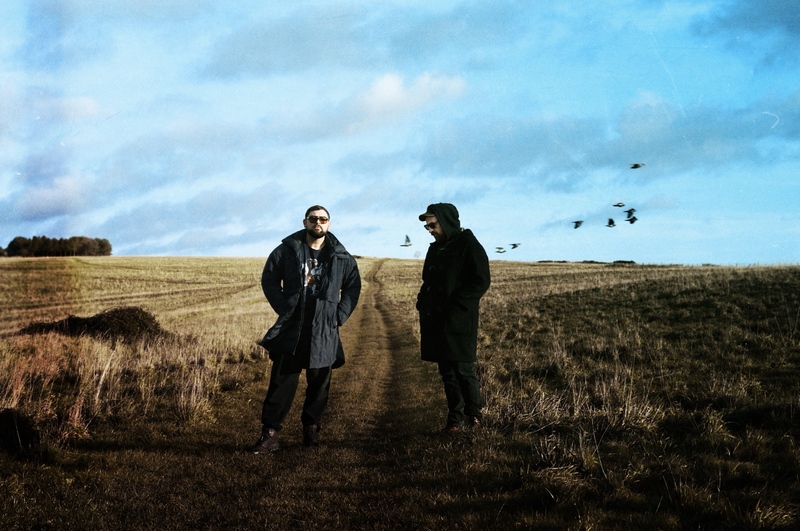
Ali Welford discovers the Scottish band’s most soul-stirring record yet

Released: 27.03.25
Rock Action
Image by Abbey Raymonde
20 years on from their debut EP, The Twilight Sad’s place in the vanguard of Scotland’s most beloved bands is no longer in doubt. They’ve endured their share of strife along the way – from devastating personal losses and the departures of bandmates, to the challenges of sustaining a career with few commercial prospects. And yet, for all that emotional catharses and evocative refrains have characterised their discography, rarely have the themes underlying their songs been clearly defined. It’s one of the elements that’s stirred such devotion among followers – that space to interpret James Graham’s lyrics as they see fit, imparting his metaphors with experiences and perspectives of their own. In the context of their long-awaited sixth album, however, it’s also set a precedent; one which casts The Long Goodbye as perhaps the most significant deviation that two-decade stint has yet witnessed.
From the moment it was announced, the circumstances surrounding this record’s creation have been outlined with almost disarming candour. During their tour in support of 2019’s It Won’t Be Like This All The Time, the band were forced to step away from a dream run supporting The Cure in South America. The reason, we now know, was that Graham’s mother was suffering from advanced dementia. The trauma of her decline and eventual loss, unfolding just as he became a parent himself, culminated in a spiralling mental health crisis. Tangled in contrasting ruminations on life and death, and conscious of his responsibilities as a father and partner, his retreat from the band became a necessity.
The seven-year gap between Twilight Sad albums – by far the longest of their career – reflects not only the protracted recovery process, but also Graham and bandmate Andy MacFarlane’s dedication to channelling those experiences on record. As such, a shattering sense of loss doesn’t so much hang over It’s the Long Goodbye as propel it, providing both an emotional core and sense of purpose. Beyond representing a striking about turn, this uncharacteristic transparency culminates in the most fraught, soul-stirring Twilight Sad record to date, and a unique entry in a powerful, widely admired discography.
Even with that prior knowledge, Get Away With It All lands as an extraordinary opener. It’s lyrics – “When we slowly watched you go… I didn’t leave you alone / I wouldn’t leave you alone” – are ostensibly addressed beyond the grave, yet equally appear trained at the here and now, to a grieving man seeking reassurance amidst a trauma beyond his control. Always an intensely expressive vocalist, Graham is audibly inspired to dig deeper than ever before. On TV People Still Throwing TVs At People, that need has turned to twitching anxiety; self-doubt recurring as he switches frantically between “It’s okay to feel this way” and “Is it okay to feel this way?” The brutality of dementia, meanwhile, is reflected vividly on Attempt a Crash Landing – Theme; increasingly desperate pleas of “They don’t tell me anything / I need to know everything / You can’t tell me anything / Don’t leave me this way” evaporating into a cruel, unresponsive void.
If Graham raises his own bar, bandmate MacFarlane’s instrumentals meet the challenge head-on with rich, multifarious textures and pulverising volume. Though the icy synths of later records remain present, It’s the Long Goodbye is comfortably densest, most guitar-centred The Twilight Sad have sounded since 2009 fan favourite Forget the Night Ahead. There are moments, such as the bulldozing force of the aforementioned Attempt a Crash Landing – Theme and the awesome, screw-turning pivot of mid-album standout Dead Flowers, where the walls of static and distortion are as overwhelming as anything in the band’s canon. There’s far more than consolidation going on too. Take explorations such as Waiting for the Phone Call’s bubbling/pummelling electronics and Chestwound To The Chest’s lurching slide guitar, for instance, both of which supply fresh colour to an ever-evolving sonic palette.
A certain Robert Smith – the band’s greatest champion – also chips in with several instrumental contributions, though his presence feels neither conspicuous nor deferential. In fact, despite their deviations and tortured genesis, these songs capture a band who’ve never sounded so comfortable in themselves or their creative decisions. Two decades of cult classics and captured hearts count for a lot, but in any future conversations concerning the definitive Twilight Sad album, It’s the Long Goodbye will, at the very least, merit a mention.
