
Narc. Magazine Online
Reliably informed

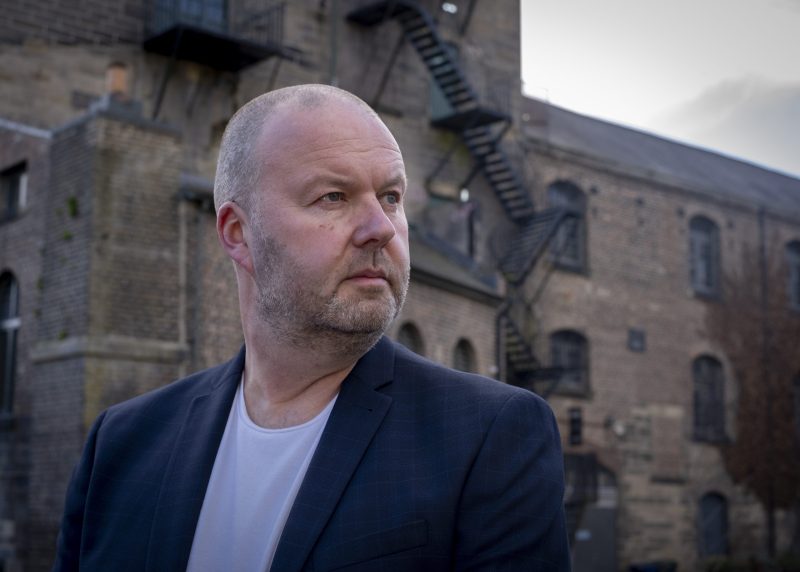
We catch up with the Newcastle-based pianist and composer on the back of the release of his album, Homecoming, and appointment as patron of Newcastle Piano Festival
Pianist, composer and teacher Steve Luck has been appointed Patron of Newcastle Piano Festival, as he unveils his new album Homecoming.
Founded in 2023 by Artistic Director Annie Ball, the festival is quickly establishing itself as a vibrant addition to the North East’s cultural calendar, celebrating the piano through creative programming, community engagement and opportunities for young musicians. The next edition runs 20th–22nd March 2026.
Luck’s Homecoming — his fourth album of original piano music — was recorded on a felted upright and blends reflective calm with gentle momentum. Warm, expressive and rooted in melody, it’s described by Luck as “music for slowing down and reconnecting with yourself.”
We catch up with Steve to find out more…
What first drew you to the piano and who were your musical influences growing up?
My grandad played by ear, and so did my uncle Brian — they used to sit at the piano in their house in Hebburn in the early ’70s and just play. They’re both sadly no longer with us, but to me as a young kid it made playing the piano feel completely normal, like something anyone could just sit down and do. I started lessons at home when I was eight and had a very traditional classical training, all the way through the ABRSM grades to Grade 8. But I was always wandering off into other genres. In my teens I was listening to heavy rock, then I got really into jazz and blues, and later folk music too. Even when I did my music degree — which was mostly classical – my dissertation ended up being about early folk blues and how it grew into the electric Chicago blues of the ’40s and ’50s.
Your music has reached millions of streams and found placements in film and television. How do you balance writing creatively for yourself with the demands of broadcast and wider audiences?
There’s quite a big difference between my work as a media composer and what I do as a solo artist. When I’m writing for film or TV, I’m working to a brief – there’s a story to support, a mood to hit, timings to match. I enjoy working like that immensely, but it’s very much about serving the project.
With my solo piano pieces, I try to keep all of that out of my head. I don’t want to be thinking about what an audience might want or whether something is “streamable.” I write for myself first. If I like it, then maybe other people will like it too. That keeps the music interesting and enjoyable to make.
You recorded the album on your felted upright piano, a sound that has become a signature for you. What draws you to that instrument, and how does it influence the atmosphere of your compositions?
I’ve always been drawn to the muted, intimate tone of my felted upright – it’s a Yamaha in my studio – and that softness really shapes the way I write. You hear every subtle nuance, and it encourages quiet, thoughtful playing. There’s been a trend in recent years, popularised by people like Nils Frahm, using felted or muted pianos to create a more personal, introspective sound. I love that the instrument itself invites space and stillness in the music.
Homecoming explores themes of returning and reconnecting. How did those ideas shape the writing process, and what do they mean to you personally at this stage in your career?
I’ve always been a proud Geordie, and I have a strong sense of where I’m from – a sense of belonging that feels to me a bit more intense here than in some other places. In the track ‘Homecoming’ I have tried to capture a feeling I often get after being away, especially if I am driving home alone. It’s an enormous sense of wellbeing – a kind of giddy excitement, usually with my favourite loud music playing and me singing at the top of my voice in the car, which is completely at odds with the peaceful, everyday life I’m returning to. It’s like I am really excited to return to a normal, commonplace, unremarkable life. Writing Homecoming was about capturing that mix of joy and familiarity – that delight in coming back to the comfort of the familiar.
Several pieces explore stillness and clarity. Was there a particular moment or experience that inspired those themes?
It’s not a Covid album a such, but I do think that the enforced stoppage of normal life five years ago gave rise to a more thoughtful, reflective approach. It was like a big pause that threw up all kinds of changes in perspective. I think part of it also comes with getting older – you become more open to noticing subtleties and appreciating quiet moments. That sense of stillness and clarity became central to the pieces.
How does Homecoming build on or differ from your previous albums/releases, and what new directions did you want to explore this time?
I see it as a development rather than a radical departure. Over time I’ve refined my processes – from composition through to recording and mixing – and developed a more focused approach to my work. The compositions themselves have grown leaner and more succinct, with less repetition than before. It feels like the pieces get to the heart of what I want to say more directly, and the whole album has a clarity and cohesion I hadn’t quite achieved on previous releases.
As curator of Atmospherica and now Patron of Newcastle Piano Festival, how do you see your role in shaping the region’s modern classical scene and supporting emerging pianists?
Mostly, I just want to create space for people to share their work. Atmospherica has always been about giving composers a platform, and the festival role feels like an extension of that – supporting the next wave, encouraging collaboration, and helping to show that the North has genuinely talented and exciting composers and performers who deserve an opportunity to show off their skills.
As part of the festival, I’m curating a concert called The Great Northern Piano Session – Composer Circle. It’s a daytime event where each composer introduces and performs one piece in turn, in a kind of conversation with the other performers. We’re opening a call for composers in January, giving emerging pianists and writers the chance to be part of this collaborative performance and share their work with new audiences. It’s a way to highlight fresh voices while keeping the focus on the music itself.
The festival emphasises accessibility and community engagement. What excites you most about bringing piano music beyond traditional concert settings, and how does that align with your own artistic ethos?
Classical music still has a strong traditional bias – it’s very heavily white, middle class and predominantly male – so one of the things that excites me about the Newcastle Piano Festival is the work Annie Ball, the festival founder, has done to challenge those persistent unfairnesses and champion underrepresented voices in this amazing genre.
The festival isn’t just about the concerts, although they’re incredible. There are also introduction to the piano sessions, a mentoring scheme for young musicians, masterclasses, and other activities designed to make the music accessible and engaging for everyone. Bringing piano music into this wider, more inclusive context aligns perfectly with my own ethos: making music approachable, welcoming, and meaningful, and creating opportunities for people who might not otherwise feel this space is for them.
Looking ahead to the festival in March 2026, what opportunities do you hope it will create for younger pianists and audiences discovering piano music for the first time?
I hope the festival gives younger pianists real chances to perform, meet other composers and players, and feel part of a community that’s supportive and inspiring. There’s something powerful about stepping onto a stage and hearing your music resonate with an audience.
For audiences discovering piano music for the first time, I’d like the festival to show that it’s not all grand halls and formal concerts. The smaller, more informal performances, along with the introductions to the piano sessions and the workshops and mentoring on offer, let people get close to the music and the musicians. They can see the ideas, the personalities, and the craft behind it all, which makes the whole genre feel much more welcoming and alive.
If the festival can spark curiosity and make classical piano music feel inviting rather than intimidating, that’s a real success. I’d love it to leave both performers and audiences feeling inspired, connected, and excited to explore more.
The festival depends on community support to make all this possible. If anyone would like to help – whether it’s supporting young musicians, backing underrepresented voices, or helping bring piano music to new audiences – donations can be made at www.semibreve.co.uk Every contribution genuinely helps keep the festival running and accessible.
